The Birth of Hubble
Built to observe the universe beyond the blur of Earth's atmosphere, Hubble became one of the most important scientific instruments ever launched. Its mission changed both astronomy and the public image of space exploration.
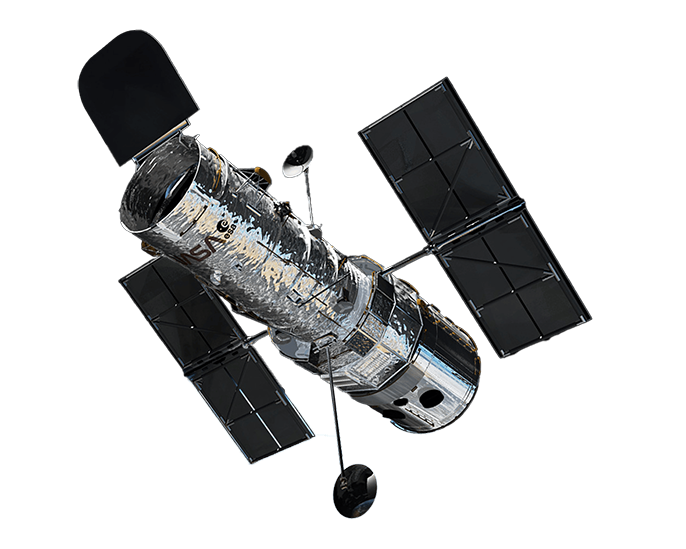
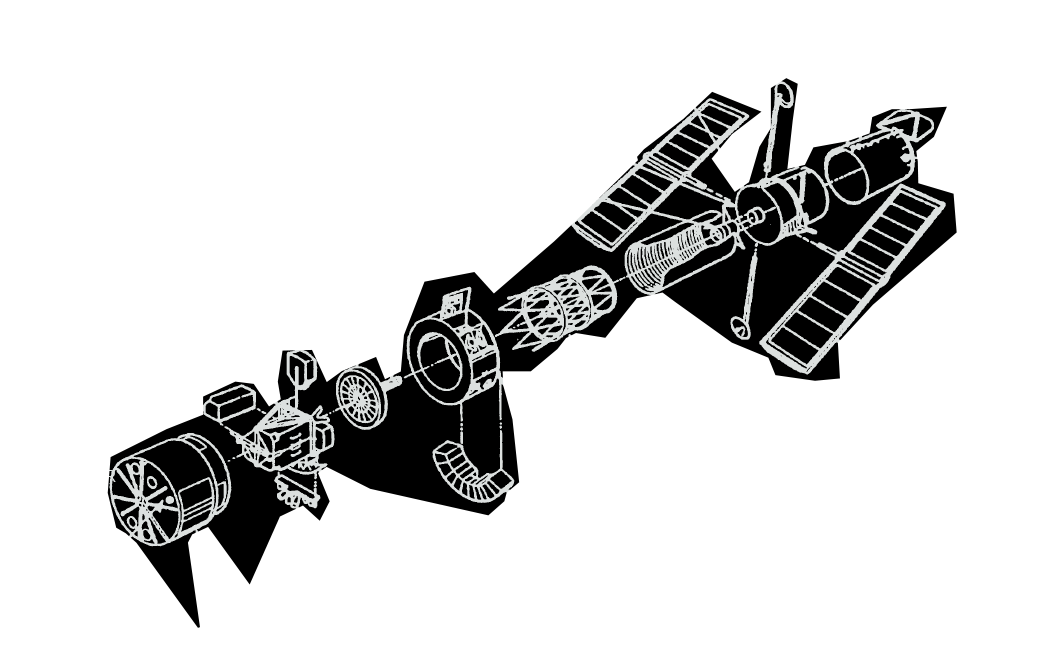
Built to observe the universe beyond the blur of Earth's atmosphere, Hubble became one of the most important scientific instruments ever launched. Its mission changed both astronomy and the public image of space exploration.
The telescope combines optics, instruments, communications systems and solar arrays into a compact orbital observatory. Every section has a precise role, from collecting light to sending data back home.
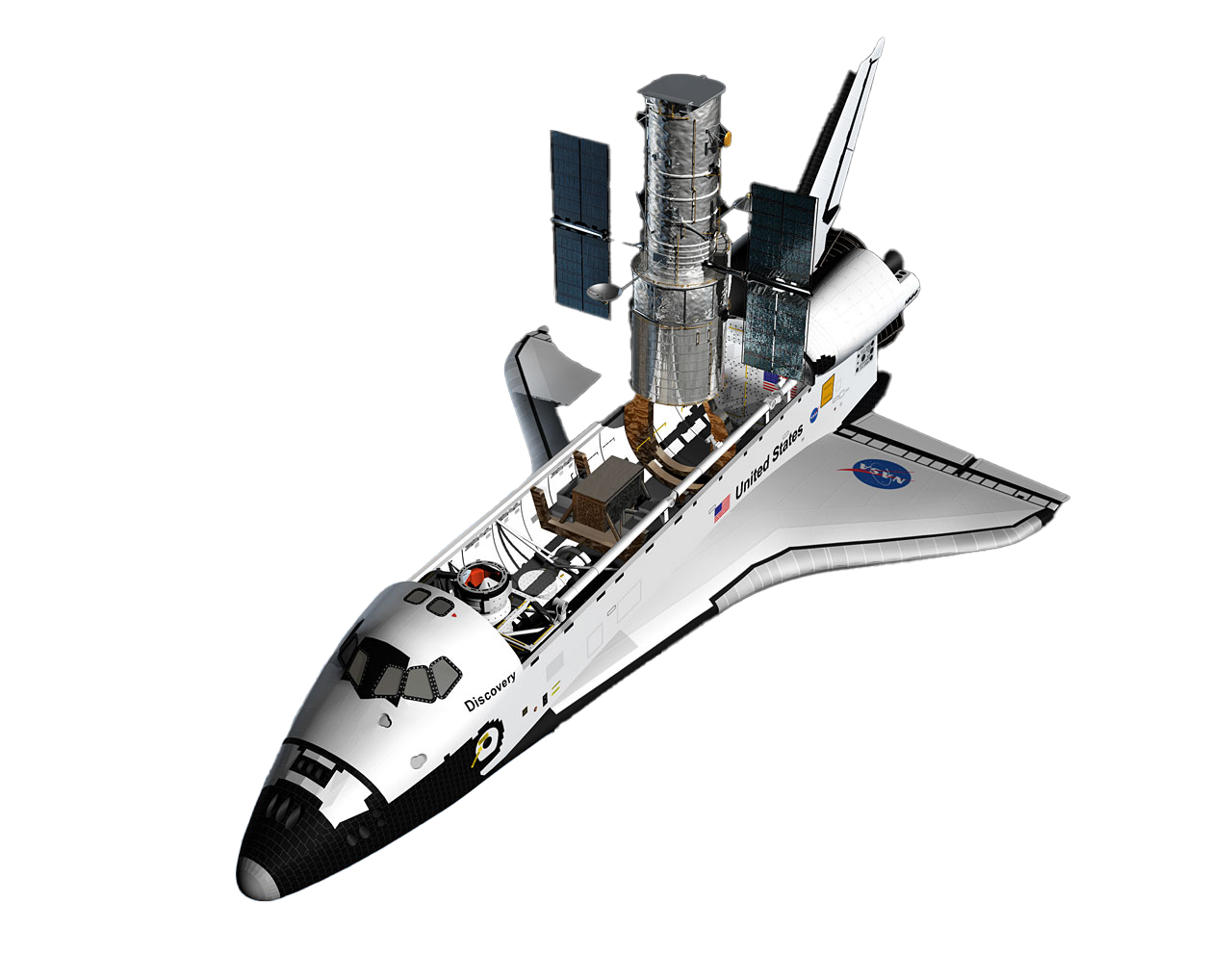
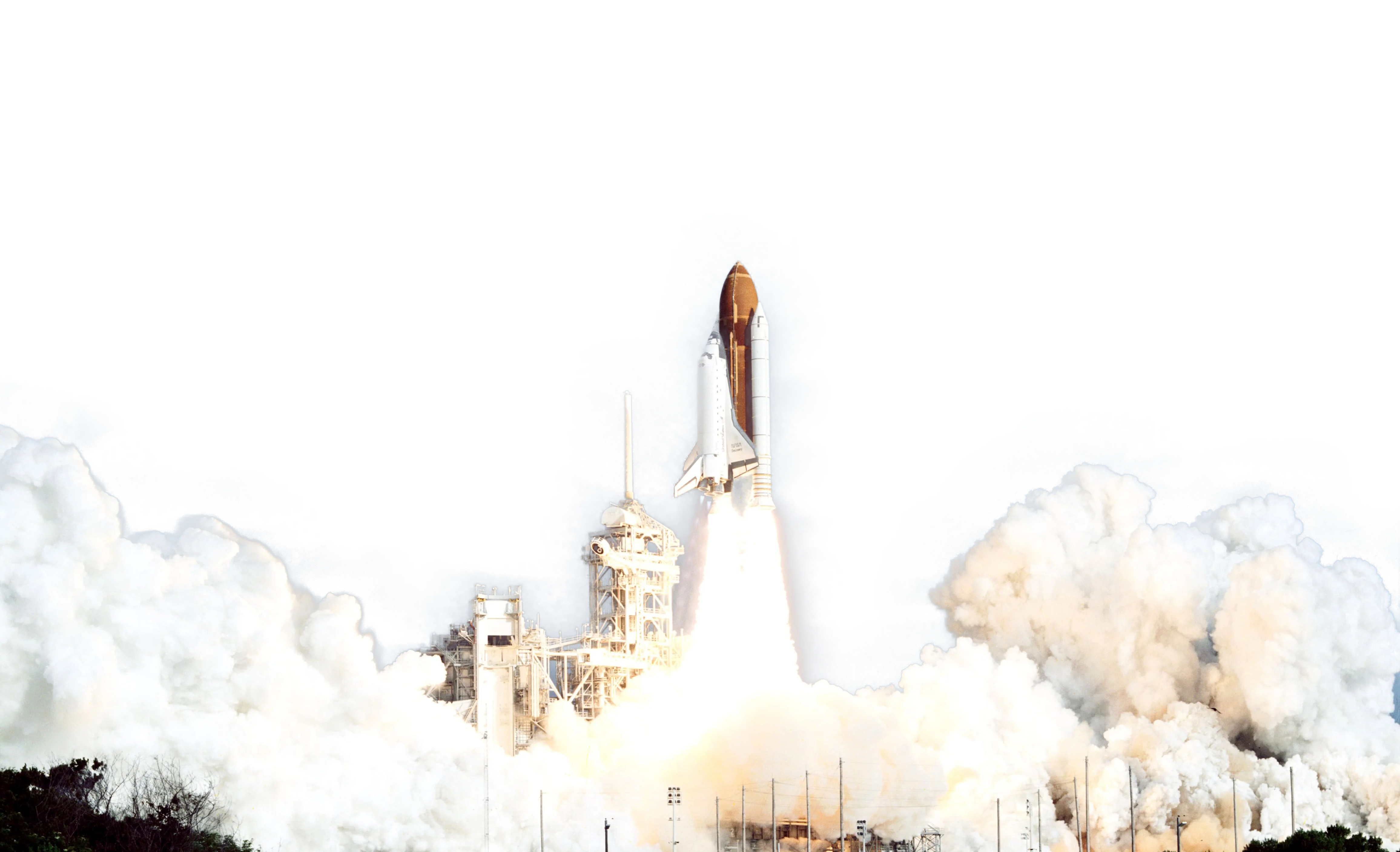
Hubble launched on April 25, 1990 aboard Space Shuttle Discovery and began its long orbit around Earth, opening a new way of seeing deep space.
Thirty five years of observations produced an immense visual archive, from glowing nebulae to distant galaxies and detailed studies of our own cosmic neighborhood.
Thousands of observations and decades of discovery
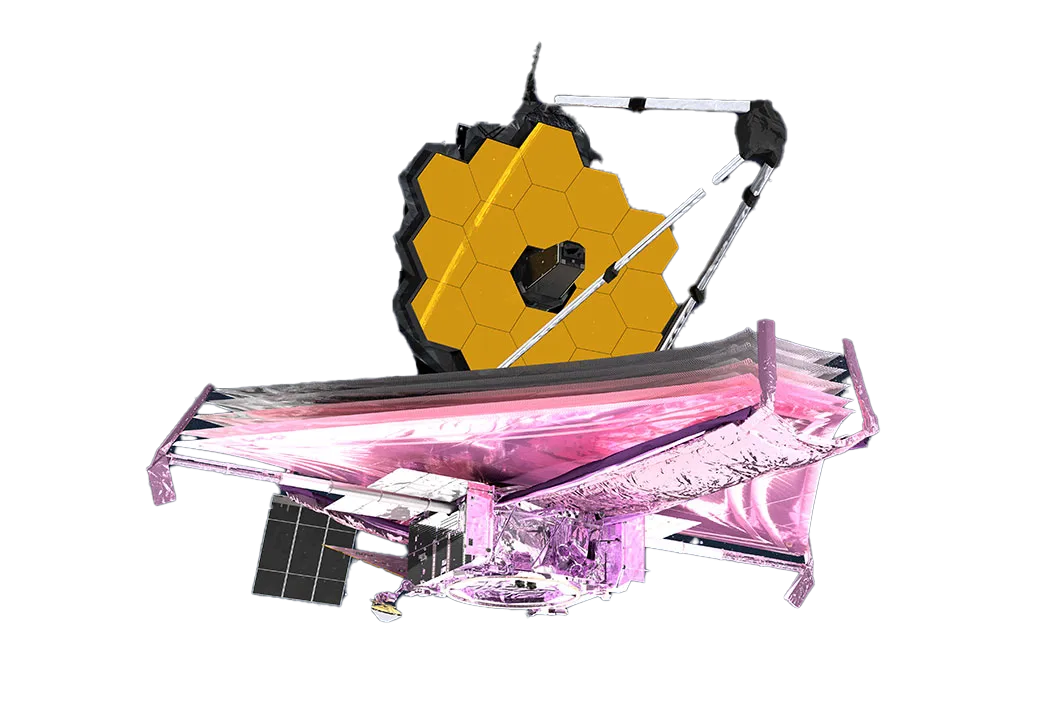
Even today Hubble continues to send observations back to Earth, extending a scientific legacy that has lasted for decades.
New telescopes continue the path Hubble helped define, but its images and discoveries remain central to modern astronomy.
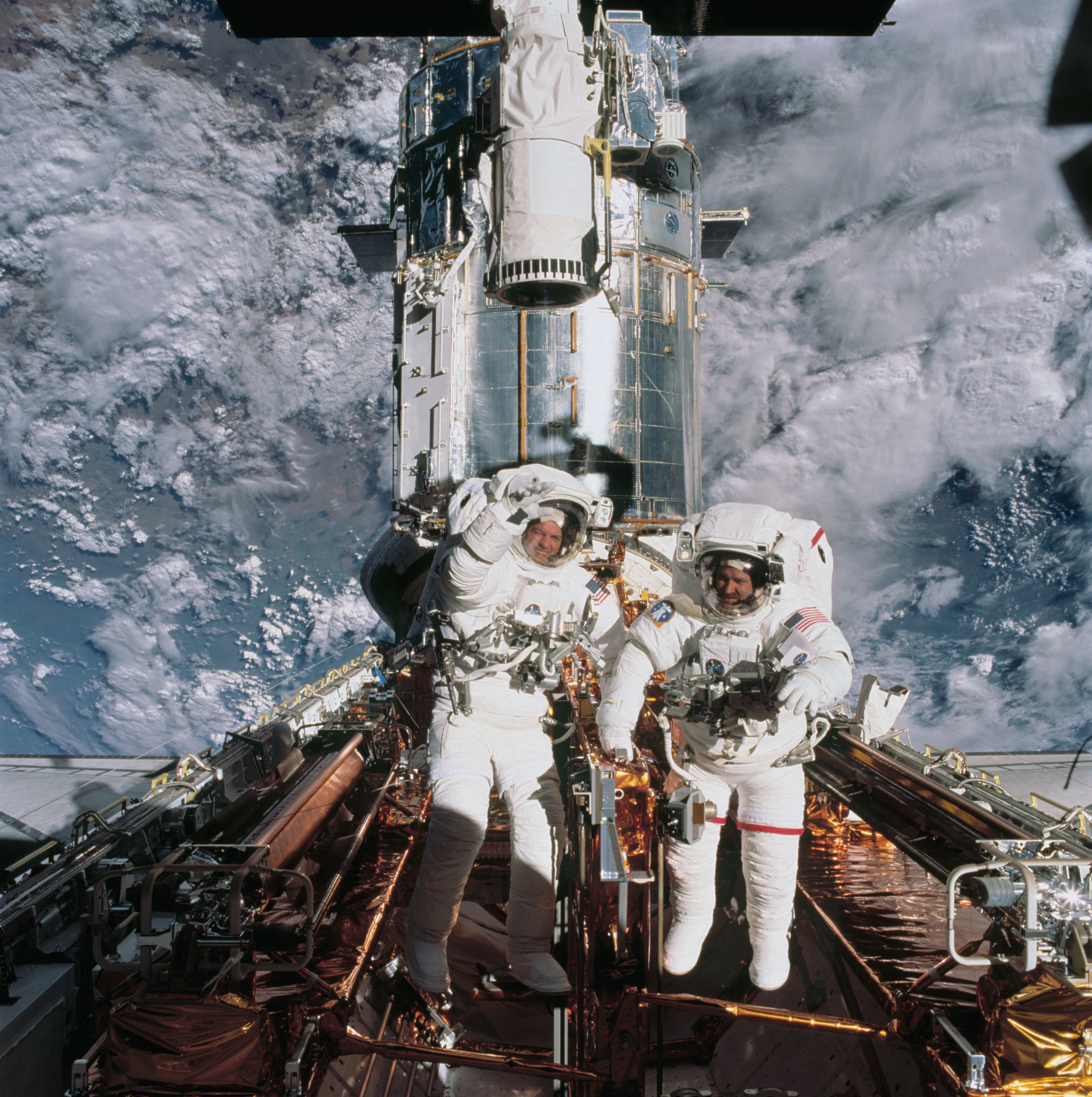
One day Hubble will end its mission, but the data it produced and the way it reshaped our view of the cosmos will continue to influence science far into the future.